
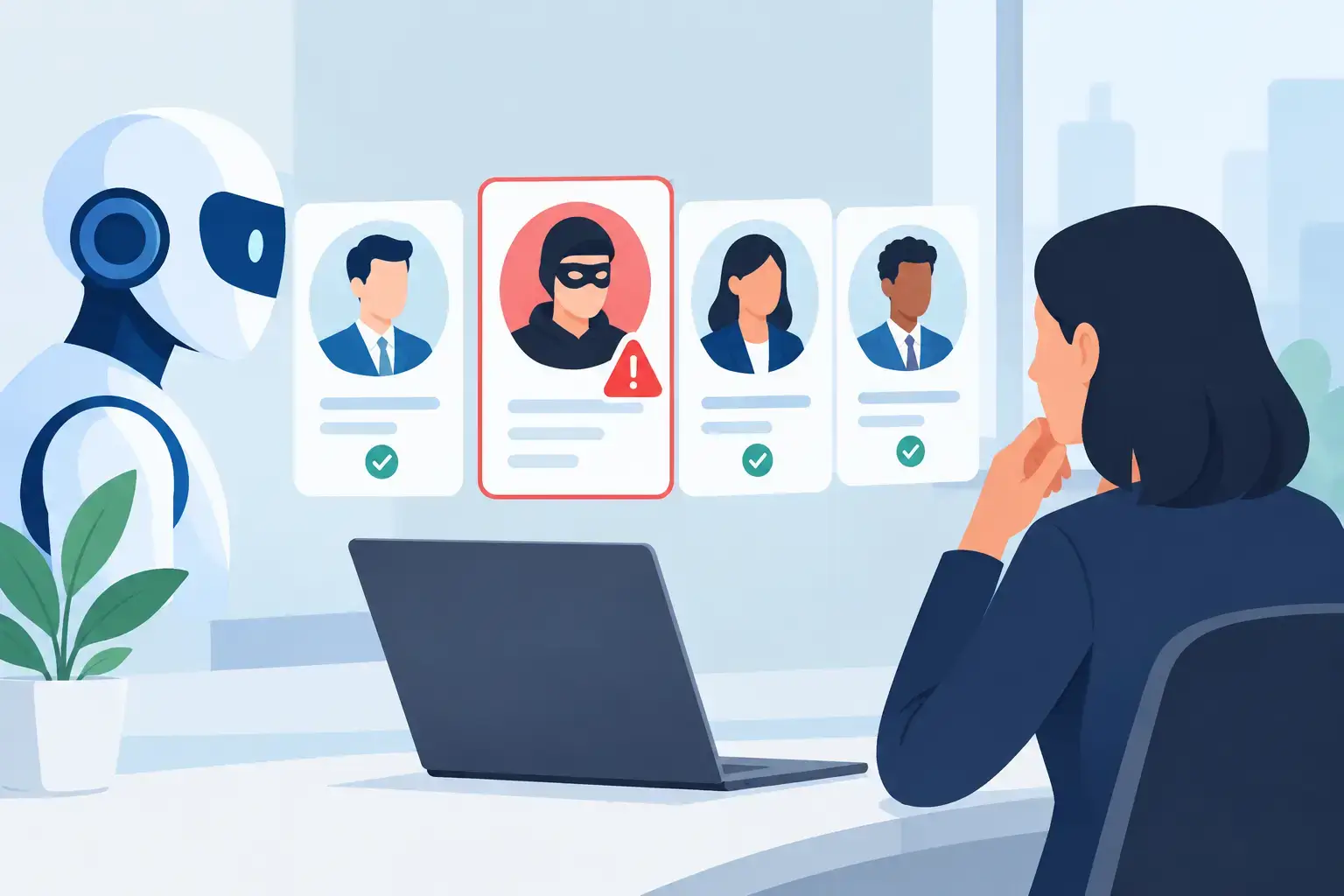
A candidate can appear well prepared on a video interview, submit a polished CV and produce certificates that look credible at first sight. Yet the person who accepts the role may not be the person interviewed, the employment history may be AI-written fiction, or the identity documents may belong to someone else. AI recruitment fraud trends are making these scenarios more convincing and more difficult to detect through ordinary recruitment processes alone.
For Malaysian employers, the risk is not limited to an unsuccessful hire. A false identity, concealed dismissal, invented qualification or undisclosed legal issue can expose the organisation to theft, data compromise, operational disruption, regulatory concern and reputational damage. The higher the access level of the role, the greater the potential consequence.
AI recruitment fraud trends changing hiring risk
Artificial intelligence has lowered the time, cost and skill needed to create persuasive false information. It can draft tailored CVs, imitate writing styles, produce professional profile photographs, translate documents and generate plausible interview responses in seconds. Used appropriately, AI can help candidates communicate their genuine experience. The concern begins when it is used to misrepresent identity, capability, employment history or qualifications.
The most difficult cases are not always obvious forgeries. Fraudsters increasingly combine a real person’s details with fabricated career history, use genuine-looking documents with altered content, or present a synthetic professional profile built across several platforms. A recruiter reviewing a strong application under time pressure may see consistency where there is only carefully managed deception.
Remote and hybrid recruitment has widened the opportunity. Video interviews, online assessments and digital onboarding are commercially sensible, particularly when talent is scarce or teams operate across locations. However, they also reduce informal opportunities to confirm that a candidate is genuine. A recorded introduction, a polished webcam image and an emailed certificate should not be treated as proof.
Deepfakes and interview impersonation
Deepfake technology can alter a candidate’s appearance or voice during a virtual interview. In other cases, a more experienced individual may simply sit the interview or complete a technical test on behalf of the applicant. Once hired, the named candidate may be unable to perform the work expected of them.
This risk is particularly serious for roles involving customer data, financial authority, systems access, intellectual property or remote administration. Organisations should not assume that a convincing video call confirms identity. Interview controls may need to include a live identity comparison, structured questions based on claimed experience, and a final verification stage before access is granted.
AI-written CVs and manufactured career histories
A well-written CV is no longer a reliable indicator of writing ability, attention to detail or professional experience. Generative AI can turn sparse information into a highly tailored application that mirrors a job description closely. It can also help create believable explanations for employment gaps, job changes or limited experience.
This does not mean every AI-assisted application is fraudulent. The practical issue is whether claims can be independently verified. Employers should focus on the facts behind the presentation: job title, dates of employment, reporting line, duties, reason for leaving and eligibility for rehire where appropriate. A candidate’s account should remain consistent across their CV, interview, application form and verified references.
Synthetic identities and altered documents
Synthetic identity fraud combines real and invented information to create a profile that appears legitimate. A fraudster may use a genuine address, a stolen document image or an authentic-looking social profile alongside false employment and qualification details. AI image tools can make profile pictures and document alterations harder to spot, especially when recruiters only receive low-resolution files.
Qualifications are a common target because certificates can be reproduced convincingly. The relevant question is not whether a document looks official. It is whether the awarding institution, qualification, attendance dates and result can be verified through proper channels. The same principle applies to professional registrations, licences and memberships.
Where routine recruitment controls fall short
Many organisations still rely heavily on document collection, informal references and interview judgement. These methods have value, but they were not designed to test AI-assisted deception at scale. A reference provided through a personal email address may be written by the candidate. A social media profile may have been built recently. A document may be technically genuine but belong to another person.
Recruitment teams also face a genuine trade-off. Excessive friction can delay appointments and frustrate legitimate candidates, while insufficient verification can permit a high-risk individual into the business. The answer is not to treat every applicant with suspicion. It is to apply proportionate, consistent checks that match the responsibilities and access attached to the role.
Senior appointments, finance roles, positions with access to sensitive information and jobs involving vulnerable people or client assets ordinarily justify deeper scrutiny. For lower-risk roles, identity, right-to-work where applicable, employment and qualification verification may provide a suitable baseline. Screening should be risk-based, lawful and clearly communicated to candidates.
A practical verification response to AI-enabled fraud
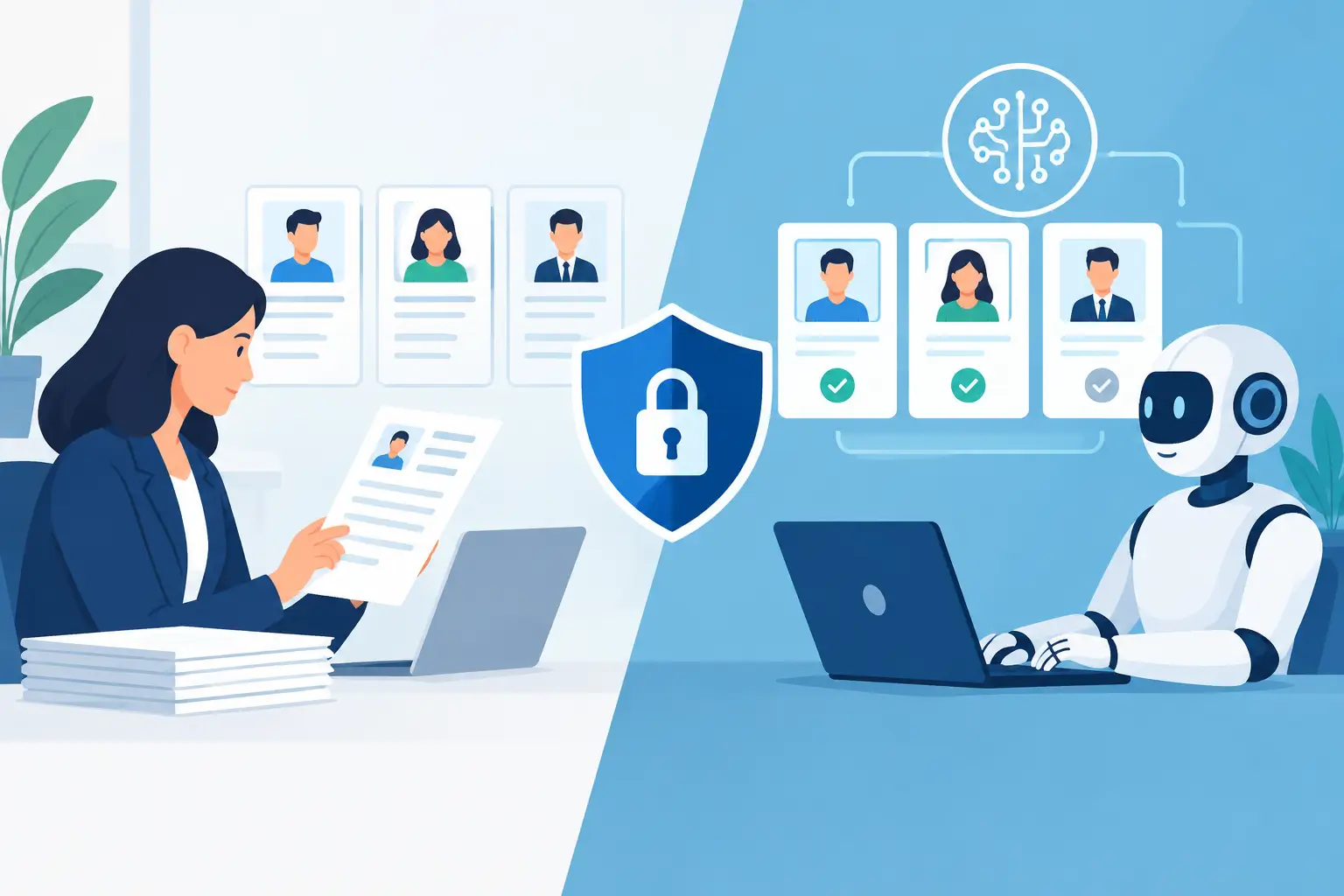
Effective pre-employment screening tests claims against independent sources rather than relying on the appearance of an application. It also creates a defensible record that reasonable checks were completed before a hiring decision was approved.
A strong process commonly starts with identity verification. Names, identity numbers, document details and other relevant particulars should be checked carefully, with discrepancies resolved before the candidate progresses. Where a video interview has been used, a controlled final identity confirmation can help address impersonation risk.
Employment verification should then establish whether the candidate worked where they claimed, in the role stated and during the stated period. This is especially valuable when AI has been used to embellish responsibilities or create a polished narrative around a short or unrelated role. Independent reference checking can provide further context, but it should be obtained through verified contact routes rather than only the details supplied by the candidate.
Qualification checks should confirm the institution, award, dates and result. For regulated or specialist roles, professional registration and licence checks may be equally significant. A candidate who cannot support a core requirement of the role should not be waved through because their documents appear professionally formatted.
Depending on the role, employers may also need civil litigation, industrial court, criminal, security, regulatory blacklist, financial-probity or directorship checks. These are not generic add-ons. Each check should relate to a defined business risk and be conducted with appropriate consent, confidentiality and lawful process.
The following indicators warrant further review, particularly when several appear together:
- Employment dates that overlap unusually or change between documents.
- References using generic email addresses, unverified mobile numbers or newly created company profiles.
- Qualifications that cannot be confirmed directly with the issuing institution.
- Interview performance that does not match claimed technical experience or written application quality.
- Reluctance to complete standard identity checks or provide clarification on straightforward discrepancies.
No single indicator proves dishonesty. A genuine candidate may have an unusual career path, a former employer that has closed, or a legitimate reason for using a personal contact. The purpose of screening is to establish facts fairly, not to make assumptions. Escalation should be based on evidence, consistency and the risk profile of the role.
Build controls before the offer becomes a problem
Recruitment fraud is easier and less costly to manage before access is granted. Employers should define which checks are mandatory by role category, ensure offers are conditional where screening is required, and prevent system access until critical checks are satisfactorily completed. Hiring managers should also understand that a fast appointment is not a substitute for a verified appointment.
For organisations handling a high volume of recruitment, consistency matters as much as speed. A structured screening workflow reduces the chance that a check is missed because a vacancy is urgent or a candidate is persuasive. It also supports fair treatment by applying the same relevant standards to comparable roles.
Angel Checks supports organisations with confidential, decision-ready screening across identity, employment, qualifications, references and other risk areas relevant to the appointment. The objective is practical: give decision-makers credible information before they place trust, authority and access in an individual.
AI will continue to improve the quality of false applications as well as legitimate ones. Employers do not need to reject technology to manage that risk. They need to ensure that the claims technology can create are tested against evidence that it cannot manufacture.









Leave A Comment